Ecological food producers use a large amount of plastic materials in the process of growing fruits and vegetables. Plastic materials are difficult to remove, remain in the soil and create large quantities of waste after use that cannot be composted or recycled. Bypack produces originally natural biodegradable materials for a range of products that decompose and compost. This minimizes plastic waste.
Problem
Plastic represents one of the greatest environmental challengesof our time. Research has shown alarming data on the presence of microplastics in our environment. Microplastics have been detected not only in food and water, but also in the human body and even in unborn embryos. Plastic waste, especially single-use plastics, lasts for hundreds of years before it decomposes, resulting in long-term soil and water pollution. Microplastics infiltrate the food chain, harming marine and terrestrial life. Due to these serious consequences, it is essential to take concrete steps towards reducing the use of single-use plastics. Raising public awareness, promoting recycling, using alternative materials and implementing stricter legal regulations can help combat this global problem. Protecting our planet and our health requires urgent and decisive action.
Solution
Aware of the global problem of plastic pollution, researchers have intensified their work in synthesizing new biopolymers to replace conventional polymers (PP, PE, PET). Conventional polymers, such as polypropylene (PP), polyethylene (PE) and polyethylene terephthalate (PET), significantly contribute to this problem due to their resistance to biodegradation. These materials are synthesized from petroleum derivatives and often end up in landfills or in nature, where they remain for hundreds of years. Researchers around the world have intensified efforts to find sustainable alternatives. One of the most promising solutions is biopolymers, which offer a more environmentally friendly option. Biopolymers are produced from renewable sources and have the ability to biodegrade, significantly reducing their negative environmental impact. One of the best-known biopolymers is polylactic acid (PLA). PLA is produced from natural, renewable sources such as cornstarch and is known for its ability to biodegrade naturally without negative effects on the environment. PLA decomposes in the presence of microorganisms, thus reducing the amount of waste that ends up in landfills and the ocean.

Bypack was formed with a vision to introduce to the market a range of biodegradable products that meet the strictest European standards, while reducing production costs compared to currently available biodegradable materials. The goal of Bypack is to develop an originally natural biopolymer based on starch-derived PLA, with the addition of natural ingredients. By introducing a new biodegradable material with improved properties and more favorable disposal and production costs, Bypack strives to provide environmentally friendly and functional products.
Team members
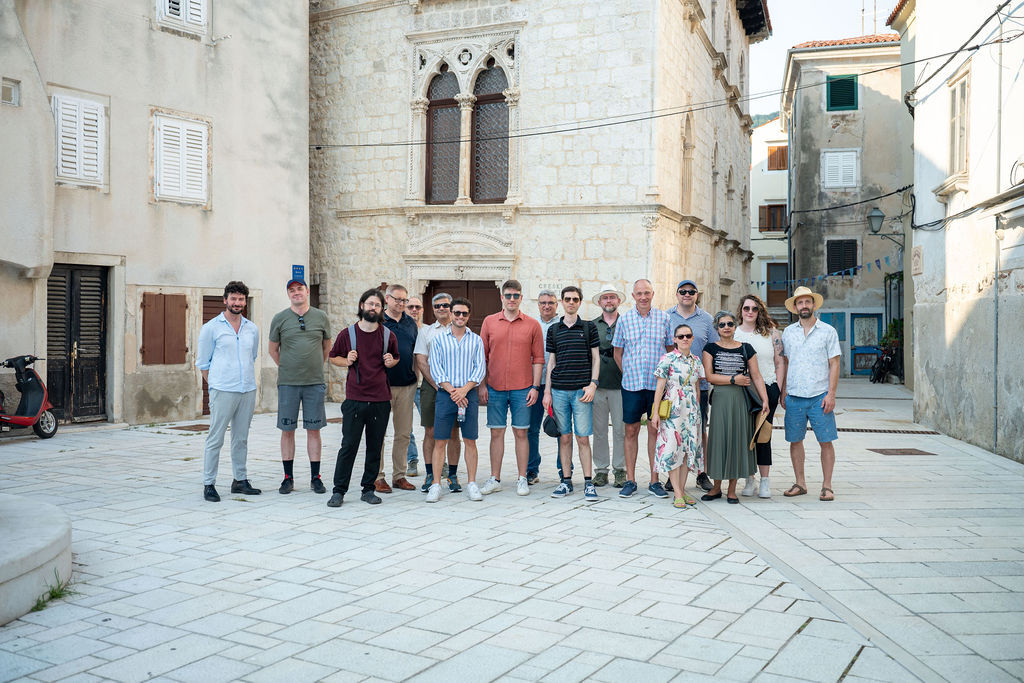
Bypack has a defined structure for carrying out the set goals in accordance with the specific needs of addressing the problem of plastic waste. The Bypack team is composed of individuals who have participated in various projects for more than 20 years, continuously building their knowledge and experience.

Marko Baus, M.Des. is an expert with more than 25 years of experience in design and the development of innovative products, strategic marketing and branding. He manages the project, product design and the creation of strategic marketing documents.
Assoc. Prof. PhD Ružica Brunšek is an expert in biodegradable materials. She collaborates with the research team in defining raw materials and conducting analyses on materials in specific activities: testing, determining polymer properties, researching raw-material biodegradability and deciding on raw material selection for prototype development.
Assoc. Prof. PhD Dragana Kopitar is an expert in technology and production processes for biodegradable materials. She is responsible for collaborating with the research team in defining production processes and conducting technological analyses: optimizing production processes and material parameters, deciding on construction parameters for prototype development and improving market-available products.
Assoc. Prof. PhD Ivana Schwarz is an expert in biodegradable materials and the design of finished products. She collaborates with the research team in defining raw materials and conducting analyses, identifying improvements to products available on the market and optimizing prototype parameters regarding real-use conditions.
Motivation for application and future plans
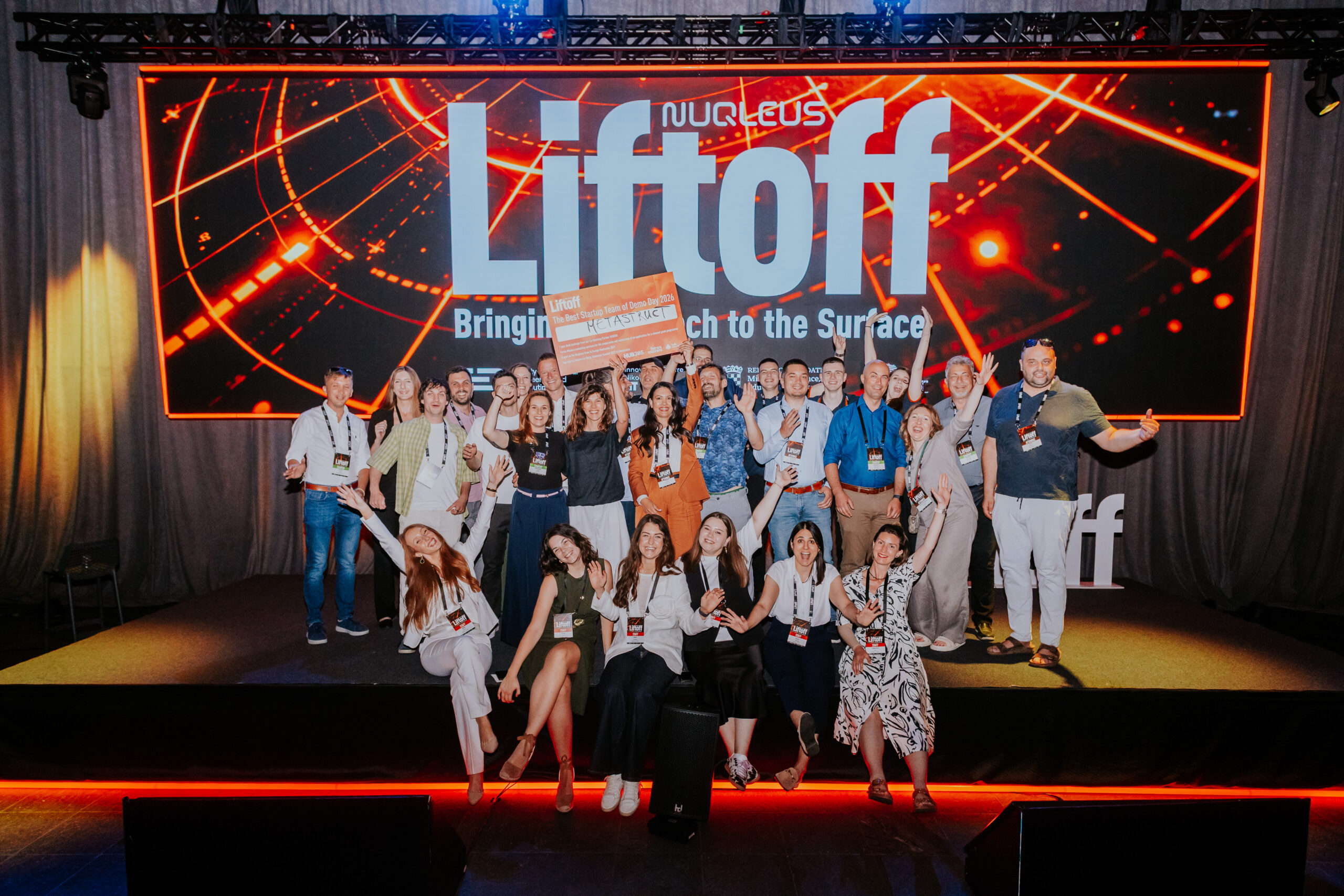
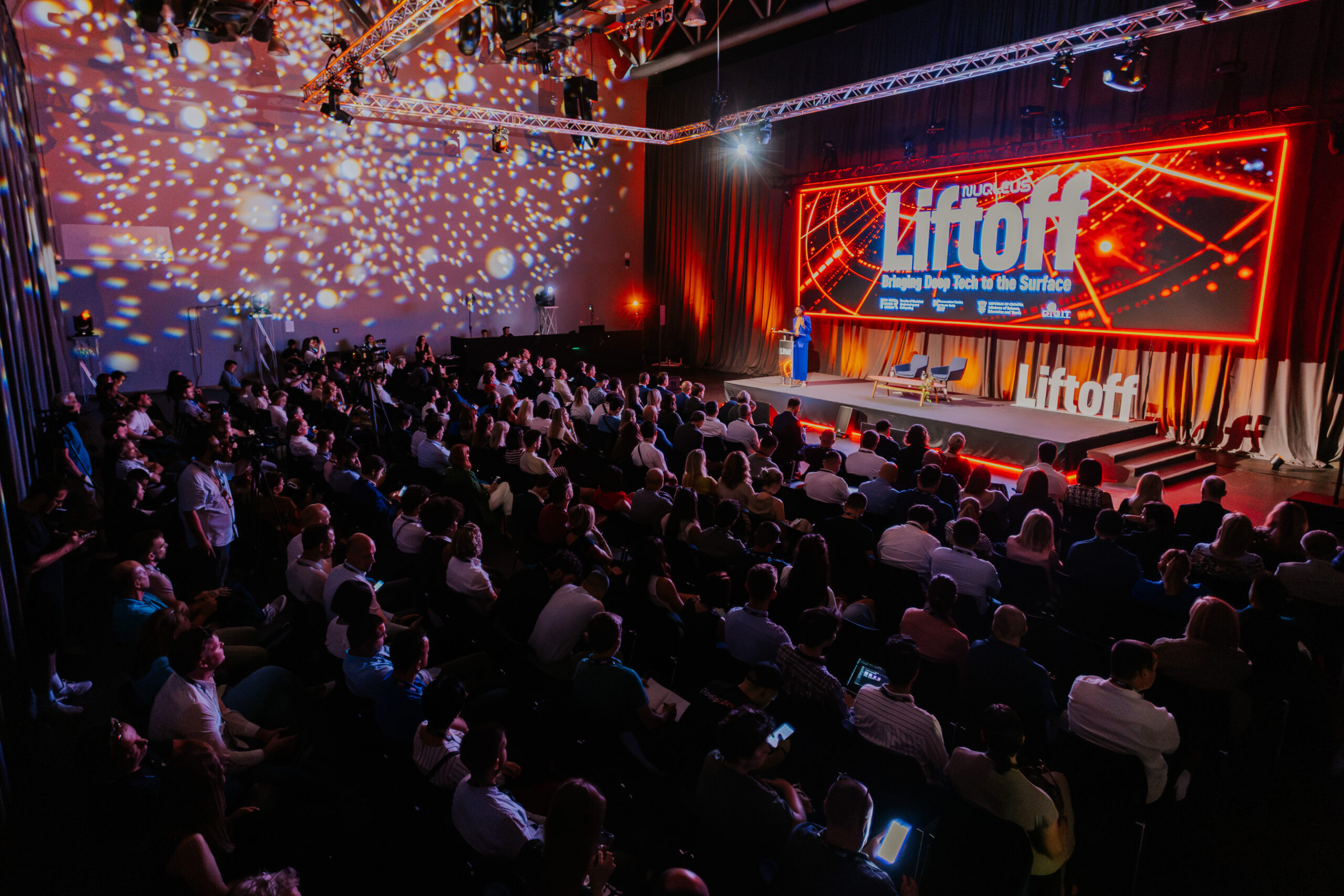
During our participation in the Nuqleus program, Bypack continuously improved and developed its business idea and prototype. Through a series of workshops and interactions with other teams and experts, we gained valuable experience that shaped our approach and deepened our understanding of our idea. Getting to know experts from various fields enabled us to gather useful advice, whether related to legal issues, design, business models or funding opportunities. Through this process, we became aware of the importance of continuous consultation and support from experts in different fields. This helped us better understand our idea and identify new areas of application. Our ultimate goal after completing the Nuqleus program is to have a clearer picture of potential customers as well as various approaches to selling and promoting our product. Without participating in the Nuqleus program, it would have been difficult to gain such a deep understanding of the business aspect of our project. The program provided valuable support and resources, helping us prepare for the challenges ahead on the path to successful product commercialization.